
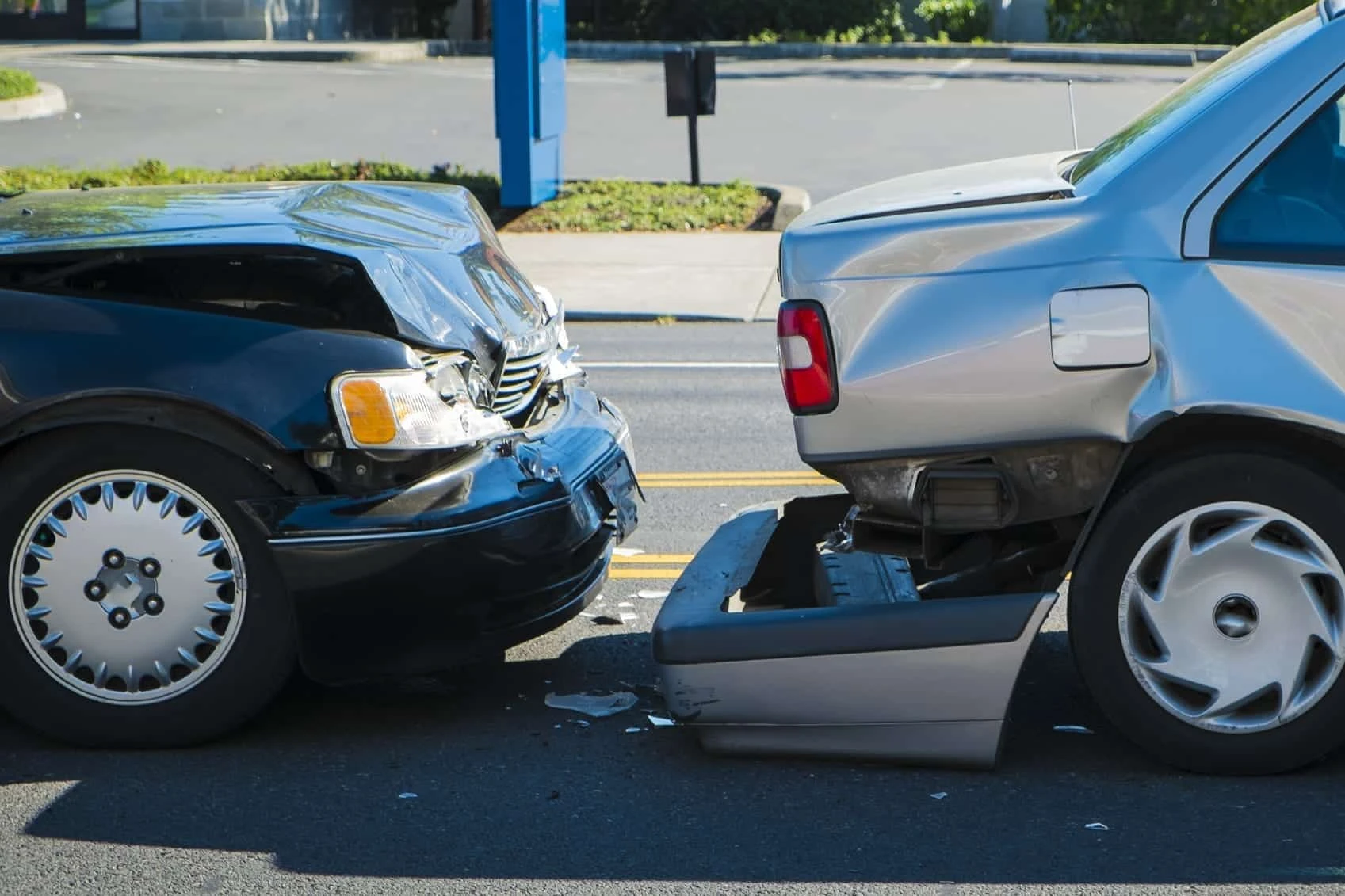

A rear-end collision in Texas may look straightforward at first, but legally and medically it often becomes more complicated than people expect. Even when fault seems obvious, insurance companies still investigate every detail before paying a claim. What you do immediately after the crash can directly impact your medical recovery, liability determination, and final compensation.
These cases are often decided not just by what happened, but by what you can prove happened. That is why early decisions matter more than most people realize. A rear end accident lawyer can help protect your rights and guide you through the claims process.
Texas Rear-End Collision Law
Rear-end collisions are common in Texas and are often assumed to be the rear driver’s fault. While this is generally true under Texas negligence principles, it is not an automatic or uncontested rule. Insurance companies still evaluate whether any exceptions or shared liability factors exist before approving compensation. Even in cases that appear clear, insurers analyze every detail to determine how much they are required to pay and whether fault can be shifted in any way. This is why rear-end collisions still require strong evidence and careful handling.
Presumption of Fault in Rear-End Crashes
In most rear-end collisions, the driver who strikes the vehicle from behind is presumed to be negligent for following too closely or failing to maintain control. This presumption is based on basic Texas traffic safety rules requiring drivers to maintain a safe stopping distance. However, this presumption can be challenged depending on the facts of the case. Insurance companies may still investigate whether sudden stops, mechanical issues, or road conditions contributed to the crash.
Situations Where Fault May Be Disputed
Not every rear-end collision is legally simple. Insurance companies may dispute fault if:
- The front vehicle stopped suddenly without reason
- Brake lights were not functioning properly
- Multiple vehicles were involved in a chain reaction
- Road hazards or weather conditions contributed to the crash
These arguments are commonly used to reduce liability or shift partial fault, which directly impacts compensation. A rear end accident attorney near me can help challenge these arguments and protect your right to fair compensation.
What to Do Immediately After Collision
The steps you take immediately after a rear-end crash can significantly affect your insurance claim and legal outcome. This is the stage where evidence is easiest to preserve and easiest to lose. Insurance companies were not present at the scene, so your documentation becomes the foundation of your claim. Failing to properly document the crash can give insurers more room to challenge your version of events later.
Ensure Safety
Your first priority should always be safety. Move to a safe area if possible and check for injuries immediately after the impact. Even if injuries seem minor, do not assume you are unharmed. Calling 911 ensures that law enforcement responds and creates an official accident report. This report becomes a critical piece of evidence when determining liability and handling insurance claims.
Document the Scene
Evidence is one of the most important factors in rear-end collision claims. Insurance companies rely heavily on physical documentation when evaluating liability and damages. You should capture:
- Vehicle damage from multiple angles
- Position of vehicles after impact
- Road conditions and traffic signals
- Skid marks or debris on the road
- Any visible injuries
Strong documentation helps establish how the collision occurred and prevents disputes over basic facts later.
Exchange Information
You are required to exchange information with the other driver after a collision. This includes identifying and insurance details necessary for filing a claim. Avoid discussing fault at the scene because statements made in the moment can be misinterpreted or used against you later during claim evaluation. Keep the conversation limited to factual information only.
- Name and contact details
- Driver’s license number
- Insurance information
- Vehicle details
Seek Medical Attention
Even if you feel fine immediately after the crash, rear-end collisions commonly cause delayed injuries. Whiplash, soft tissue damage, and spinal strain may take hours or days to fully appear. Medical documentation is essential because it connects your injuries directly to the accident. Without early treatment records, insurance companies may argue that your injuries are unrelated or exaggerated.
Speak With a Lawyer
Before giving recorded statements or accepting any settlement offer, it is important to understand how insurance companies evaluate rear-end collision claims. Adjusters are trained to minimize payouts by interpreting statements, medical gaps, and incomplete documentation in their favor. Once a statement is recorded, it can be used later to challenge your claim value.
A car accident lawyer near me helps protect your position by controlling communication, preserving evidence, and ensuring your injuries and damages are properly documented from the start. This early legal involvement often strengthens the overall value of the claim and reduces the risk of unfair settlement tactics.
How Insurance Companies Handle Collision Claims
Insurance companies do not automatically accept rear-end collision claims, even when fault appears obvious. Every claim is evaluated based on risk, documentation, and potential payout exposure. Their goal is not just to confirm what happened, but to determine how much they are legally required to pay.
Liability Review and Investigation
Insurance adjusters begin by reviewing all available evidence, including:
- Police reports
- Vehicle damage analysis
- Witness statements
- Photos and videos
- Driver statements
They use this information to confirm or challenge liability. Even in rear-end cases, nothing is automatically approved without review.
Why Insurance Companies Still Dispute These Cases
Insurance companies often attempt to reduce claim value by questioning injury severity or accident dynamics. Even in rear-end collisions, they may argue:
- The front driver stopped suddenly
- Injuries are unrelated or pre-existing
- Medical treatment was delayed
- Vehicle damage does not match injury claims
These arguments are designed to reduce settlement amounts and limit financial exposure.
Common Injuries After a Collision
Rear-end collisions often cause more serious injuries than people initially realize. The sudden forward-and-back motion places significant stress on the neck, spine, and surrounding muscles. Many injuries do not appear immediately, which is why early medical evaluation is critical.
Whiplash and Soft Tissue Injuries
Whiplash is one of the most common injuries in rear-end crashes. It occurs when the neck is forced to move rapidly forward and backward during impact. Symptoms may include stiffness, headaches, reduced mobility, and ongoing pain. These injuries often worsen without proper treatment.
Back and Spinal Injuries
Spinal injuries can range from mild strains to severe disc damage. Even low-speed collisions can cause long-term spinal issues that require ongoing care. These injuries often impact daily movement and quality of life if not properly diagnosed and treated early.
Because some injuries take days or even weeks to become noticeable, seeking medical attention as soon as possible is important. A Houston personal injury lawyer can also help protect your legal rights by ensuring your injuries are properly documented for your claim.
Determining Compensation After a Rear-End Collision
Compensation in rear-end collision cases is based on both financial losses and non-financial impacts. Insurance companies evaluate damages carefully, but initial offers are often lower than the true value of the claim. Proper documentation and negotiation strategy are essential to recovering fair compensation.
Economic Damages
Economic damages include measurable financial losses such as:
- Medical expenses
- Lost wages
- Vehicle repair costs
- Rehabilitation and therapy
These are typically supported by bills, receipts, and employment records.
Non-Economic Damages
Non-economic damages account for personal suffering and life impact, including:
- Pain and suffering
- Emotional distress
- Reduced quality of life
- Long-term physical limitations
These damages require strong supporting evidence and legal advocacy to properly value.
Why Legal Strategy Matters in Collision Cases
Even though rear-end collisions often appear simple, insurance companies still approach them strategically. Their goal is to minimize payouts by testing liability, questioning injuries, and offering early low settlements.
Without strong case preparation, victims are often placed in a weaker negotiating position. Legal strategy changes that dynamic by shifting the focus from assumption to proof and from delay to pressure.
Get a Clear Legal Assessment of Your Case
A rear-end collision may seem straightforward, but that doesn’t mean the insurance company will offer fair compensation. I build every claim with strong evidence, medical documentation, and a strategy designed to protect your rights from the very beginning.
At Trial Ninjas, I prepare every rear-end collision case as if it’s going to trial, putting pressure on insurance companies to recognize the true value of your claim and fight for the compensation you deserve.