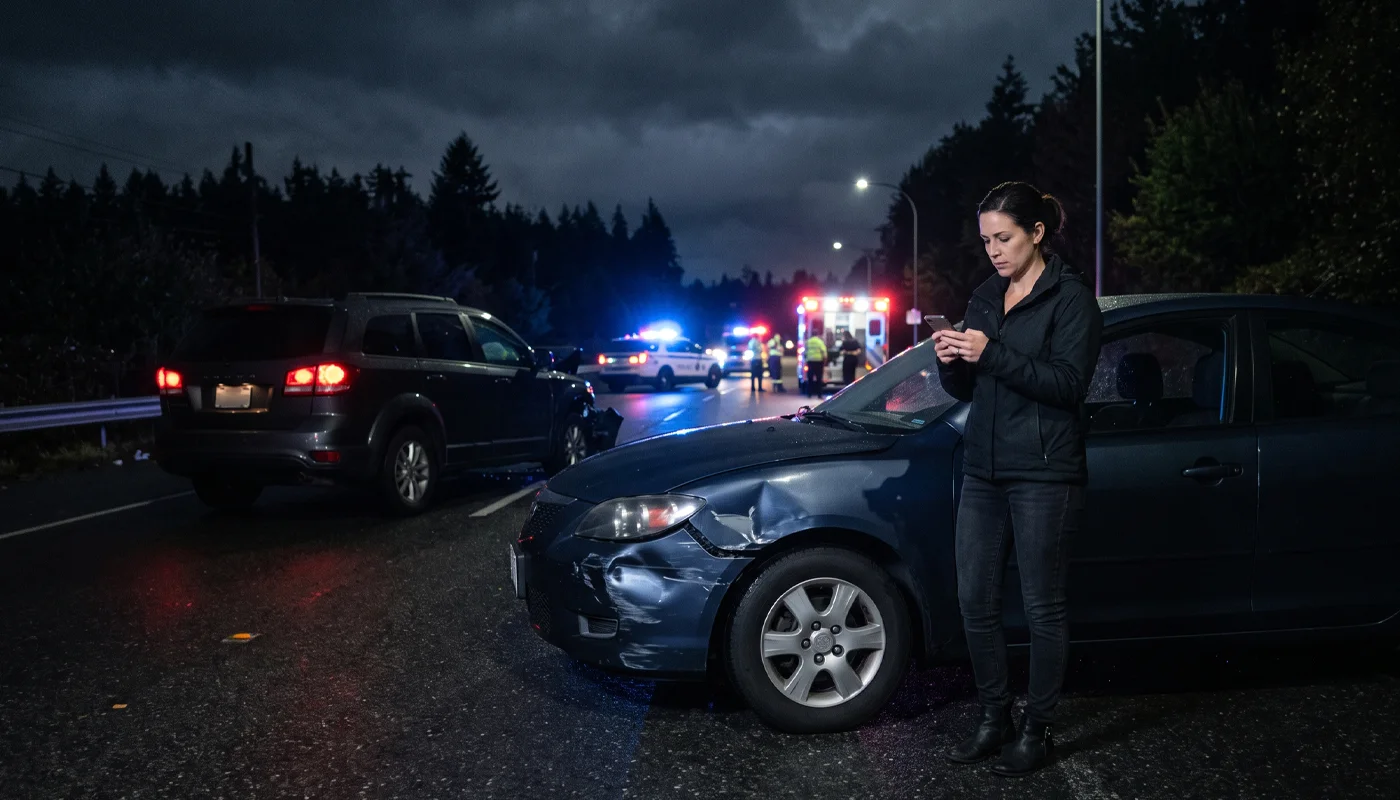

A car accident caused by another driver can leave you dealing with injuries, vehicle damage, insurance claims, and unexpected expenses. Even when you are not responsible for the crash, the steps you take afterward can affect your ability to recover compensation.
Knowing what to do after a car accident can help you protect your health, preserve evidence, and handle the insurance process. If you were injured or your claim becomes disputed, a Houston car accident lawyer can help you understand your options.
What to Do Immediately After a Car Accident
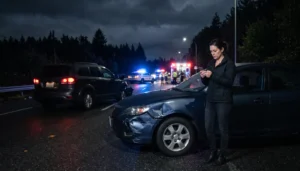
Your first priority after a collision should be safety. Check yourself and others for injuries, and if it is safe to do so, move away from traffic or another dangerous area. Call 911 when medical assistance or police are needed. Avoid arguing with the other driver or discussing who caused the accident at the scene.
Get to a Safe Location
If your vehicle can be moved safely, move it out of the flow of traffic. Turn on your hazard lights and remain in a safe area while waiting for help.
Contact a Lawyer
If you were seriously injured, the other driver disputes fault, or the accident involves significant damage, consider contacting a car accident lawyer before speaking further with the insurance company. Our attorney can explain your rights and help you understand the next steps for protecting your claim.
Exchange Information
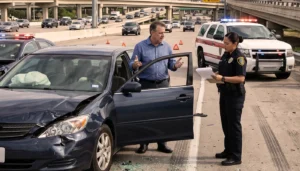
After making sure everyone is safe and contacting the appropriate emergency services, exchange information with the other driver. Even if the other driver admits fault, collect their information rather than relying only on a verbal statement. Try to obtain:
- Name and contact information
- Driver’s license information
- Insurance company and policy information
- License plate number
- Vehicle make and model
If anyone witnessed the accident, ask for their name and contact information as well. Their statement may also be helpful if there is a disagreement about how the accident happened.
Document the Scene
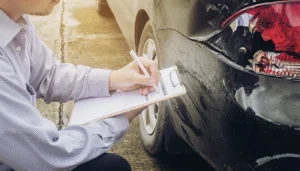
Evidence from the accident scene can help establish what happened, particularly if the other driver later disputes responsibility. Take photographs before the vehicles are moved when it is safe to do so. Photograph the damage to the vehicles, the surrounding roadway, traffic signs, vehicle positions, and any visible injuries. You should also write down what you remember about the accident while the details are still fresh.
Seek Medical Attention
Some injuries may not be obvious immediately after a collision. If you are injured or develop pain or other symptoms after the accident, seek medical attention. Following medical advice and keeping records of your treatment can help document injuries connected to the crash. Keep copies of medical bills, records, prescriptions, and other related expenses.
Notify Your Insurance Company
You should notify your insurance company about the accident even if another driver caused the collision. Your policy may provide coverage that becomes relevant during the claims process. Report the accident promptly and provide accurate information. Keep copies of your claim documents and communications with the insurer.
Be Careful With the Other Driver’s Insurer
The at-fault driver’s insurance company may contact you after the accident to investigate the claim. You should provide truthful information, but you should also be careful about making statements that could be misunderstood. Do not guess about details you do not remember, minimize your injuries, or agree to a settlement before you understand the full extent of your losses. If the insurer disputes liability or offers less than you believe your claim is worth, consider speaking with a Houston car accident attorney.
Get Your Vehicle Inspected and Repaired
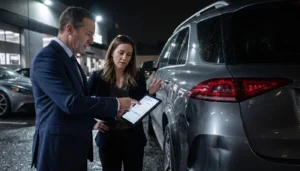
A vehicle can have damage that is not immediately visible after a collision. Have your vehicle properly inspected before deciding that the damage is minor. Keep your repair estimates, invoices, photographs, towing receipts, and other vehicle-related records. If the accident reduces your vehicle’s resale value even after repairs, you may also have a potential diminished value claim.
Keep Records of Your Accident-Related Losses
Good documentation can make it easier to show the financial impact of the accident. Keep records from the beginning of the claim rather than trying to collect everything later. Important records may include:
- Medical bills and treatment records
- Vehicle repair estimates and invoices
- Towing and storage expenses
- Rental vehicle expenses
- Insurance correspondence
- Police reports
- Photographs and videos
- Witness information
What Should You Avoid After a Car Accident?
Even when another driver clearly appears to be responsible, certain actions can make an insurance claim more difficult. Be careful about what you say, sign, and share after the accident. Avoid:
- Admitting fault at the accident scene
- Guessing about how the accident happened
- Posting details about the accident on social media
- Signing documents you do not understand
- Accepting a settlement before understanding your losses
- Ignoring medical symptoms
- Throwing away accident-related records
What If the Other Driver Does Not Have Insurance?
An accident can become more complicated when the driver who caused it does not have insurance. In this situation, your own insurance policy may provide coverage depending on the type of policy you have and the circumstances of the accident. Uninsured or underinsured motorist coverage may be relevant in some cases. Review your policy and consider speaking with our attorney to understand what options may be available.
When Should You Contact a Car Accident Lawyer?
Not every minor accident requires legal representation. However, speaking with a lawyer may be helpful when the accident involves significant injuries, disputed fault, substantial property damage, or an insurance company that is refusing to provide fair compensation. Consider getting legal guidance if:
- You suffered serious injuries
- The other driver denies responsibility
- The insurance company disputes your claim
- Your medical expenses are significant
- Your vehicle suffered substantial damage
- Multiple drivers or parties were involved
- You are unsure what compensation you may be entitled to
How Can a Car Accident Lawyer Help?
A car accident lawyer can help you understand the claims process and deal with the insurance company. Depending on your situation, our attorney may investigate the accident, gather evidence, evaluate your losses, and negotiate on your behalf. If a fair settlement cannot be reached, your attorney can explain whether pursuing legal action may be appropriate.
Protect Your Rights After a Car Accident
A car accident that was not your fault can still create significant financial and personal challenges. Getting medical care, documenting the accident, reporting the collision, and keeping your records can help protect your interests.
If another driver caused your accident and you need help with your claim, Trial Ninjas can help you understand your legal options. Contact the firm for a free consultation to discuss your accident and potential claim.