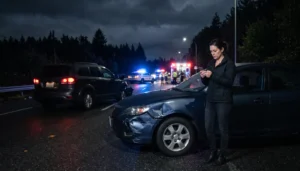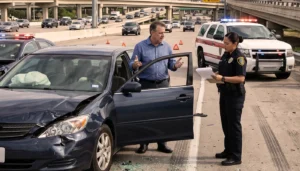
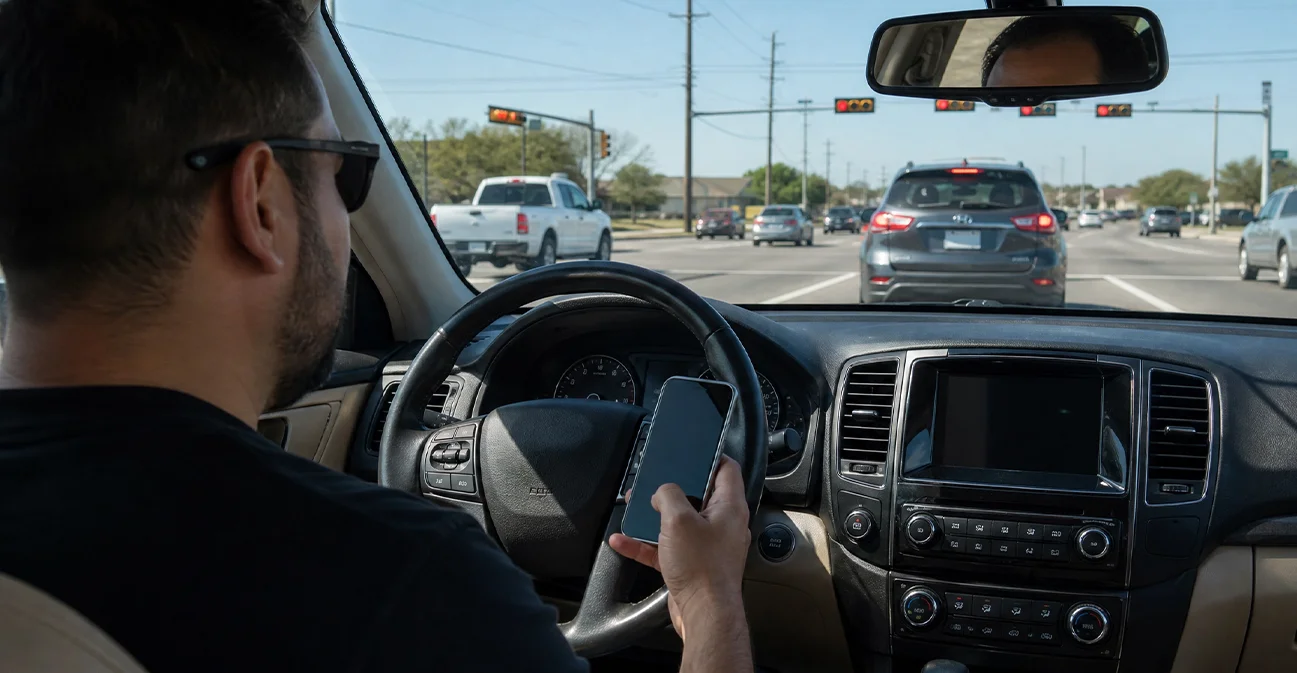

Driving and texting is illegal in Texas and can lead to serious consequences when it causes a car accident. Under Texas Transportation Code § 545.4251, drivers are prohibited from using a wireless communication device to read, write, or send electronic messages while operating a vehicle. Despite these laws, distracted driving continues to contribute to preventable crashes across Texas.
For victims injured by a distracted driver, proving that texting caused the accident can be an important part of a personal injury claim. If you’ve been hurt in this type of crash, an auto accident attorney houston can help you protect your rights, deal with insurance companies, and pursue the compensation you may deserve.
Texting and Driving Laws in Texas
Texas has enacted distracted driving laws to reduce accidents caused by cellphone use behind the wheel and improve roadway safety. These laws prohibit drivers from reading, writing, or sending text messages while operating a motor vehicle and impose penalties for violations. The restrictions apply throughout the state, including Houston, where congested highways, heavy traffic, and frequent stop-and-go driving increase the risk of serious collisions caused by distracted driving. Understanding and following Texas texting and driving laws can help reduce the likelihood of accidents, protect other road users, and minimize the risk of legal and financial consequences.
Can You Use Your Phone While Driving in Texas?
Yes, you can use your phone while driving in Texas in certain situations, but state law limits how it may be used. Texting is generally prohibited, while some hands-free functions remain legal. Drivers should also be aware that local ordinances and school zone rules may impose additional restrictions.
- Texting is prohibited: Drivers may not read, write, or send text messages while operating a vehicle.
- Hands-free calls are generally allowed: Bluetooth, speakerphone, and voice-activated technology can typically be used for phone calls.
- Local ordinances may be stricter: Some Texas cities have additional distracted driving laws that further limit cellphone use.
- School zones have additional restrictions: Handheld wireless devices are generally prohibited in active school zones unless an exception applies.
Exceptions to Texas Texting and Driving Laws
Texas law prohibits drivers from reading, writing, or sending text messages while operating a motor vehicle, but there are limited exceptions. These exceptions allow certain types of cellphone use when permitted by law or required for safety. Even when an exception applies, drivers must remain attentive and avoid any behavior that could contribute to a distracted driving accident.
- Using GPS or navigation systems: Drivers may use navigation apps or GPS devices to receive directions, provided they are not manually texting while driving.
- Hands-free phone calls: Texas generally allows drivers to make or receive calls using hands-free technology, such as Bluetooth or voice commands.
- Reporting an emergency: Drivers may use their phones to contact emergency services or report accidents, crimes, or other urgent situations.
- Vehicles parked legally: Texting is permitted when a vehicle is legally parked and is no longer being operated.
- Emergency responders: Certain emergency personnel may be exempt from texting restrictions while performing official duties.
How Common Are Texting and Driving Accidents?
Texting and driving accidents are a growing concern in Texas because distracted drivers may fail to notice hazards, react slowly, or lose control of their vehicles. Even a few seconds of looking at a phone can lead to serious crashes, injuries, or fatalities. Texting and distracted driving can contribute to:
- Rear-end collisions caused by delayed reactions
- Lane departure and sideswipe accidents
- Intersection crashes from missed signals or signs
- Multi-vehicle collisions and serious injuries
- Preventable crashes caused by driver inattention
Penalties for Texting While Driving in Texas
Texting while driving is illegal in Texas and can lead to legal penalties intended to discourage distracted driving and improve roadway safety. The consequences vary depending on the circumstances of the violation, whether it occurred in a designated safety zone, and if the distracted driving behavior contributed to a crash. Potential penalties include:
- Fines: First-time and repeat violations can result in monetary fines under Texas law.
- Increased penalties for accidents: Drivers who cause a crash while texting may face additional civil or criminal consequences.
- Liability for damages: An at-fault distracted driver may be responsible for medical expenses, property damage, lost wages, and other accident-related losses.
- Higher insurance premiums: A texting while driving violation or related accident may lead to increased insurance rates.
- Potential legal claims: Victims injured by a distracted driver may pursue compensation through a personal injury claim.
How Does Texting While Driving Affect a Claim?
Yes. If a driver was texting at the time of a crash, it can play a significant role in determining fault and liability. Texas follows negligence laws, meaning that evidence of distracted driving may strengthen a personal injury claim by showing that the at-fault driver failed to exercise reasonable care. This evidence can influence how insurance companies evaluate liability and the value of a claim.
Insurance companies may investigate several factors when reviewing a texting and driving accident claim, including:
- Who caused the accident: Determining whether distracted driving contributed to the collision.
- The severity of injuries: Evaluating the extent of medical treatment, recovery time, and any long-term effects.
- Available evidence: Reviewing police reports, medical records, witness statements, and other documentation supporting the claim.
- The value of damages: Assessing medical expenses, lost wages, property damage, pain and suffering, and other accident-related losses.
How Can You Prove the Other Driver Was Texting?
Proving that the other driver was texting at the time of the collision can significantly strengthen a personal injury claim. Because distracted drivers may deny using their phones, preserving evidence as early as possible is often critical. An attorney can investigate the accident and gather evidence that helps establish negligence and liability. Evidence that may help prove the other driver was texting includes:
- Cell phone records: Showing text messages, calls, or other phone activity around the time of the accident.
- Police reports: Documenting observations, citations, or other evidence of distracted driving.
- Witness statements: Testimony from passengers, bystanders, or other motorists who observed the driver’s behavior.
- Dashcam or traffic camera footage: Video recordings that may show the driver using a phone before the collision.
- Admissions by the driver: Statements made to police, witnesses, or insurance companies acknowledging cellphone use.
- Accident reconstruction: Expert analysis that helps determine whether distracted driving contributed to the crash.
What Should You Do After an Accident?
If you were injured by a driver who was texting, the steps you take after the accident can affect both your recovery and your legal claim. Acting quickly helps preserve valuable evidence and protects your right to seek compensation. Taking the following actions can strengthen your case.
- Call 911: Report the accident so law enforcement can investigate and prepare an official crash report.
- Seek medical treatment: Get evaluated by a healthcare provider, even if your injuries seem minor at first.
- Take photographs: Document vehicle damage, the accident scene, road conditions, and visible injuries.
- Collect witness information: Obtain names and contact information from anyone who saw the collision.
- Tell the police if you suspect texting: Inform the responding officer if you believe the other driver was using a phone before the crash.
- Avoid discussing fault: Do not admit responsibility or speculate about the cause of the accident.
- Contact a lawyer: A car accident lawyer near me can help gather evidence, protect your rights, and pursue compensation.
Why You Need a Lawyer
Texting and driving accident claims can quickly become complex, especially when insurance companies dispute liability or attempt to minimize the value of your claim. I help investigate distracted driving accidents, preserve critical evidence, handle communications with insurers, and fight for the compensation you deserve while you focus on your recovery. I can help by:
- Reviewing police reports: Analyzing crash reports and other official records to identify evidence of distracted driving.
- Gathering cellphone evidence: Working to obtain phone records and other electronic evidence that may establish fault before it becomes difficult to access.
- Interviewing witnesses: Collecting statements from witnesses who can support your version of events.
- Determining liability: Identifying the responsible party and building a strong negligence claim.
- Negotiating with insurance companies: Handling communications with adjusters, challenging unfair settlement offers, and protecting your legal rights throughout the claims process.
- Maximizing compensation: Pursuing damages for medical expenses, lost wages, pain and suffering, future medical treatment, property damage, and other accident-related losses.
Know Your Rights After an Accident
Texting while driving is illegal in Texas and can cause serious accidents resulting in injuries, medical bills, and financial stress. If a distracted driver caused your crash, you may have legal options to seek compensation.
If you were injured in a texting and driving accident, I can review your case, explain your legal options, and help you pursue the compensation you deserve. Contact Trial Ninjas today for a free consultation.