
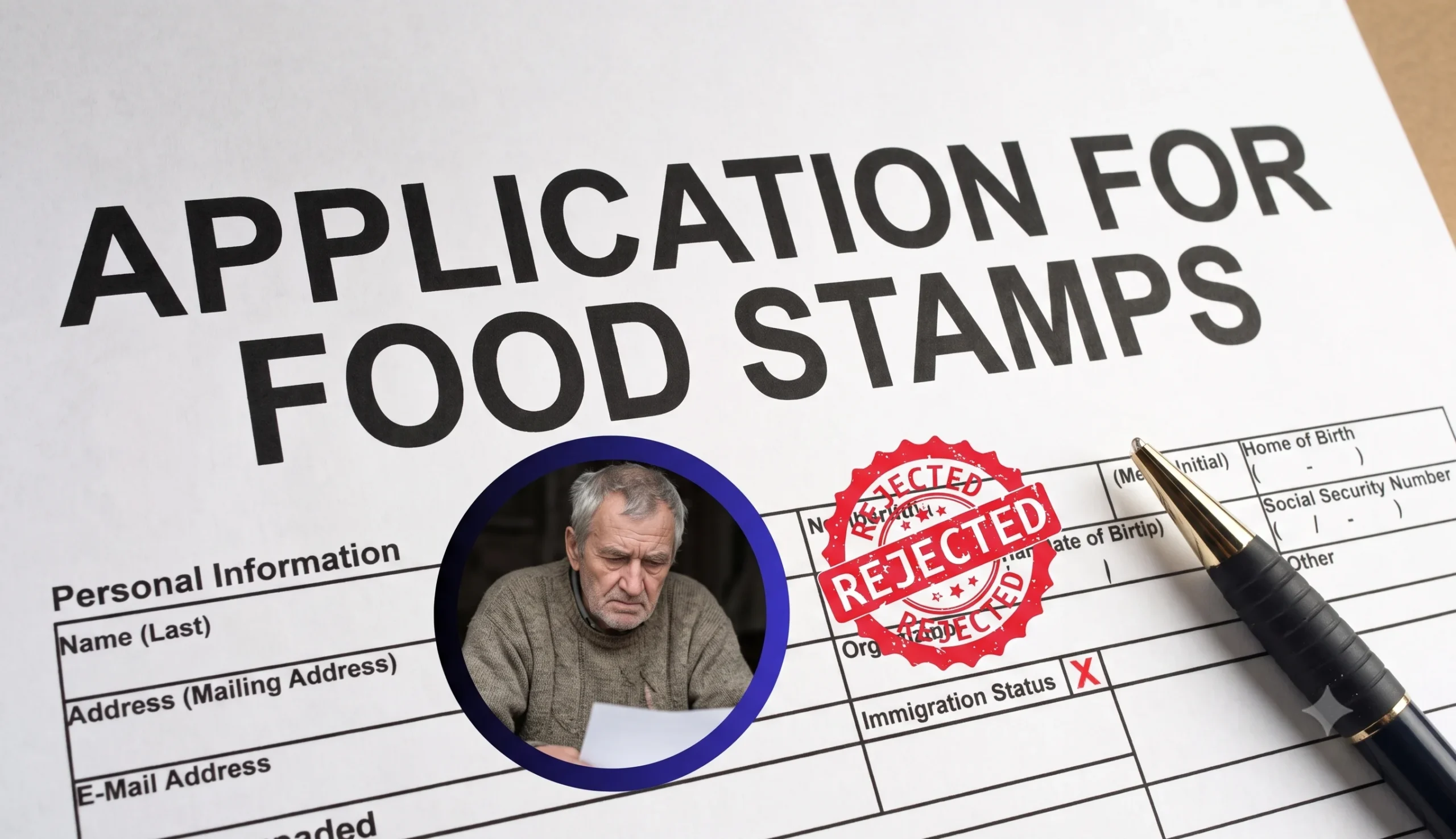

No, undocumented immigrants generally cannot receive SNAP benefits for themselves. However, eligible family members, including U.S. citizen children, may still qualify for assistance even if a parent is undocumented. If you have questions about your family’s eligibility or immigration status, Trial Ninjas Law Group can guide to help you understand your options.
The Supplemental Nutrition Assistance Program (SNAP) has specific citizenship, immigration-status, and income requirements. This blog explains SNAP eligibility for undocumented immigrants, mixed-status households, the Public Charge rule, and other food assistance available in Houston. If you are unsure about your situation, a qualified lawyer in Texas can provide guidance based on your circumstances.
Who Can Get Food Stamps If an Immigrant Is Undocumented?
A mixed-status household may still receive SNAP if some household members are eligible. For example, an undocumented parent may have a U.S. citizen child who meets SNAP requirements, and the eligible child may receive benefits even though the parent does not qualify personally. Federal guidance requires agencies to determine eligibility for household members seeking assistance, rather than automatically denying assistance to the entire household because one member is ineligible.
Can Children of Undocumented Parents Get SNAP?
Yes, potentially. A U.S. citizen child can apply for SNAP if the child meets the program’s eligibility requirements, including applicable income and household rules, even when the child’s parents are undocumented. The parent may apply on behalf of an eligible child without applying for SNAP personally, and families should provide accurate information about the people seeking benefits.
What Immigration Statuses May Qualify for SNAP?
Under current federal SNAP rules, eligibility for noncitizens is limited to certain immigration categories. Following changes under the One Big Beautiful Bill Act (OBBBA), eligible green card holders, Cuban-Haitian entrants, and citizens of Compact of Free Association (COFA) countries may qualify for SNAP if they meet the program’s other requirements. Many noncitizens may also have to satisfy additional eligibility conditions, such as applicable waiting periods and income requirements. Because federal rules can change, applicants should review the current USDA SNAP eligibility guidance before applying.
Does Applying for SNAP Affect an Immigrant’s Immigration Status?
Generally, receiving or applying for SNAP does not count against an immigrant under the current public charge rule. USCIS states that SNAP is a noncash benefit that is not considered in a public charge inadmissibility determination, and eligible family members can apply for benefits without that receipt being attributed to the immigration applicant. Immigration cases can involve additional facts and exceptions, however, so someone with a pending immigration matter may benefit from individualized legal advice before making decisions about public benefits.
What Other Food Assistance Is Available to Undocumented Immigrants?
People who cannot receive SNAP may still find help through food banks, community food pantries, nonprofit organizations, and other local food programs. Eligibility varies by program, and some community resources do not impose the same immigration-status requirements as federal SNAP. In Houston, families should check each organization’s rules and ask what documentation, if any, is required before seeking assistance.
How to Apply for SNAP in Texas
If you or a family member may qualify for SNAP, you can apply through the Texas Health and Human Services benefits system. For mixed-status families, an undocumented family member’s immigration status does not automatically prevent eligible household members from applying.
Follow these steps:
- Check your eligibility: Review the SNAP income and immigration-status requirements to determine whether the household members applying may qualify.
- Gather your information: Have details about household income, expenses, identity, and immigration or citizenship status for the people applying for benefits.
- Submit an application: Apply online through the Texas benefits system or use another application method offered by Texas Health and Human Services.
- Provide accurate information: Only include household members who are applying for benefits and answer all questions truthfully. Do not provide false information or misrepresent anyone’s immigration status.
- Complete the interview: If required, participate in an interview with a benefits representative and provide any additional documents requested.
- Wait for a decision: Texas Health and Human Services will review your application and determine whether the applicant or eligible household members qualify for SNAP.
If you are concerned about how an application could affect your immigration situation or have questions about your family’s eligibility, contact us to speak with a qualified lawyer in Texas before applying.
Need Help With SNAP Benefits? Contact Trial Ninjas
The key point is that the question of whether illegal immigrants can get food stamps has a generally straightforward answer: undocumented immigrants cannot receive SNAP for themselves, but eligible U.S. citizens and certain qualified noncitizens in the same household may still qualify. If you are in Houston and have questions about immigration status, public benefits, or how a mixed-status household should proceed, Trial Ninjas Law Group, PLLC, a Houston law firm, can help you understand your legal options.