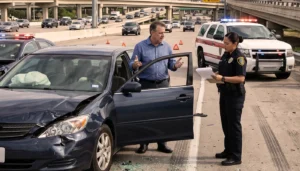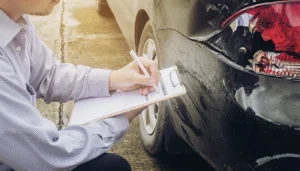


After a car accident, repairing your vehicle does not always restore its full market value. Even when repairs are completed properly, your vehicle may be worth less because the accident becomes part of its history. This loss in value is known as diminished value.
A diminished value claim may allow you to seek compensation for this loss. Understanding how these claims work can help you determine whether you may have a claim after a Texas car accident. A Houston car accident attorney can help you understand your rights and options.
Understanding Diminished Value Claims
A diminished value claim seeks compensation for the reduction in a vehicle’s market value after an accident. The vehicle may be repaired, but buyers may still consider it less valuable because it has an accident history.
For example, if your car was worth $30,000 before an accident and is worth $26,000 after repairs, the $4,000 difference may represent diminished value. Diminished value is different from repair costs. Repair costs cover restoring the vehicle, while diminished value addresses the loss in what the vehicle is worth after the accident.
Why Does a Car Lose Value After an Accident?
An accident can affect a vehicle’s value even when the repairs are completed correctly. Buyers may be concerned about the vehicle’s accident history, previous damage, or possible hidden problems. Common reasons a vehicle may lose value include:
- Accident history appearing on a vehicle history report
- Concerns about hidden or structural damage
- Previous repairs affecting buyer confidence
- Use of replacement or aftermarket parts
- Reduced trade-in offers from dealerships
The severity of the accident and quality of the repairs can also affect how much value the vehicle loses. A car accident lawyer can help you assess these factors and determine whether you may have a diminished value claim.
Types of Diminished Value
There are three common categories of diminished value associated with vehicle accidents. Each type reflects a different way an accident can affect a vehicle’s market value. Understanding these categories can help determine what type of loss may apply.
Immediate Diminished Value
Immediate diminished value is the difference between what a vehicle was worth immediately before an accident and what it was worth immediately afterward. This calculation is made before any repairs are completed. It focuses on the initial reduction in the vehicle’s market value caused by the accident.
Repair-Related Diminished Value
Repair-related diminished value occurs when the quality or appearance of repairs affects a vehicle’s market value. Visible repair problems, mismatched paint, or other defects may reduce buyer confidence in the vehicle. As a result, the vehicle may be worth less even after repairs have been completed.
Inherent Diminished Value
Inherent diminished value is the loss in value that remains after a vehicle has been properly repaired. Because the accident remains part of the vehicle’s history, potential buyers may be less willing to pay the same price as they would for a comparable vehicle with no accident history. This type of diminished value is generally the most commonly discussed when evaluating accident-related value loss.
Who Can Pursue a Diminished Value Claim?
Eligibility depends on the circumstances of the accident, including who was at fault, the vehicle’s damage, and available insurance coverage. Factors that may be relevant include:
- Another driver caused the accident
- Your vehicle was damaged in the collision
- The vehicle was repaired
- The vehicle’s market value decreased after the accident
- You have evidence supporting the loss in value
The vehicle’s age, mileage, condition, and previous accident history may also affect the claim.
How Is Diminished Value Calculated?
Diminished value is generally based on the difference between the vehicle’s value before the accident and its value after repairs. Several factors can affect this difference, including:
- Vehicle make and model
- Age and mileage
- Pre-accident condition
- Severity of the damage
- Quality of repairs
- Previous accident history
- Current market conditions
A professional vehicle appraisal may help determine the vehicle’s post-repair market value and provide evidence of the loss.
How Do You Prove a Diminished Value Claim?
Documentation can help establish that your vehicle suffered a loss in value after the accident. Important evidence may include the police report, photographs of the damage, repair estimates, repair invoices, vehicle history reports, and appraisal documents. Keeping these records can help demonstrate both the accident-related damage and the vehicle’s reduced market value.
Is Diminished Value the Same as Repair Costs?
No. Repair costs and diminished value are separate losses. Repair costs cover the work needed to restore your vehicle after an accident, while diminished value refers to the amount the vehicle may still be worth less after those repairs are completed. For example, an insurer may pay $8,000 for repairs, but the vehicle may still have a lower market value because of its accident history.
- Repair Costs: Cover the expenses required to restore the vehicle after an accident.
- Diminished Value: Covers the potential loss in the vehicle’s market value after repairs.
- Accident History: Can affect what buyers are willing to pay for the vehicle.
How Much Is a Diminished Value Claim Worth?
There is no fixed amount for a diminished value claim. The potential loss depends on the vehicle and the circumstances of the accident. A newer or higher-value vehicle may experience a greater reduction in value than an older vehicle with high mileage. The severity of the damage, repair quality, and accident history can also affect the amount. An appraisal can provide a more specific estimate based on the vehicle’s individual circumstances.
- Vehicle Age and Mileage: Newer vehicles and those with lower mileage may have greater potential diminished value.
- Pre-Accident Value: A higher-value vehicle may experience a larger dollar-value loss after an accident.
- Damage and Repairs: The severity of the damage and quality of repairs can affect the vehicle’s remaining value.
- Accident History: A documented accident can make the vehicle less appealing to potential buyers.
What to Do When a Vehicle Has Lost Value?
If you believe your vehicle has lost value after an accident, keep all documents related to the collision and repairs. This includes accident reports, photographs, estimates, invoices, and insurance communications. You may also want to obtain a vehicle history report and an independent appraisal.
- Keep Your Records: Save accident reports, repair documents, photographs, and insurance communications.
- Get a Vehicle History Report: Review the vehicle’s accident and repair history to document its record.
- Consider an Independent Appraisal: An appraisal can help estimate the vehicle’s current market value and potential diminished value.
- Speak With Our Attorney: If the insurance company disputes your claim or offers less than you believe the vehicle’s loss is worth, consider speaking with a Texas car accident attorney.
Can an Attorney Help?
An attorney can review your accident, insurance coverage, and available evidence to determine whether pursuing a diminished value claim may be appropriate. A lawyer may help with:
- Evaluating the vehicle’s loss in value
- Gathering supporting evidence
- Reviewing appraisal information
- Communicating with the insurance company
- Negotiating a settlement
- Challenging an unfair valuation
If the insurance company refuses to offer fair compensation, an attorney can also explain your available legal options.
Protect Your Vehicle’s Value After Accident
A repaired vehicle can still be worth less after an accident. If the collision affected your vehicle’s market value, documenting that loss may be important when seeking compensation.
If you believe your vehicle has suffered diminished value after a Texas car accident, Trial Ninjas can help you understand your options. Contact the firm for a free consultation to discuss your claim.