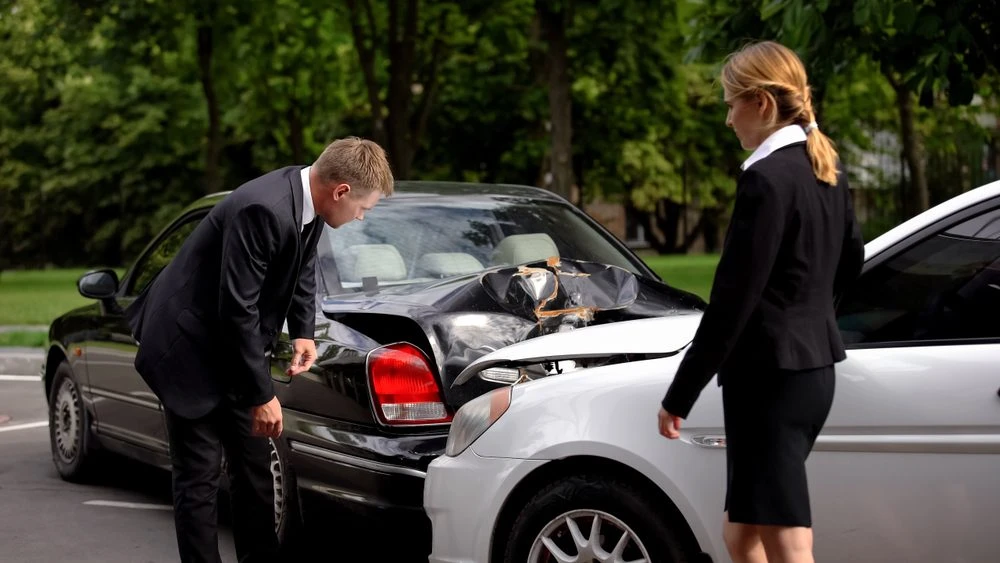

When a car accident involves an uninsured driver in Texas, the situation immediately becomes more complex than a standard insurance claim. Liability may be clear, but compensation is not guaranteed.
These cases often depend on coverage gaps, evidence strength, and how insurance companies evaluate risk. That combination determines whether victims receive fair recovery or reduced settlements. Understanding the legal process is essential to protecting your financial and medical recovery. A Houston car accident attorney can evaluate your options and help you pursue the compensation available under Texas law.
Texas Insurance Law
Texas law requires all drivers to carry minimum liability insurance, but compliance is not universal. Many drivers operate vehicles without valid coverage or with policies that fail to reflect real-world damages. This creates a legal gap between responsibility and actual financial recovery. The law assigns fault, but it does not ensure payment. That gap is where most uninsured driver cases become complicated.
Texas Minimum Insurance Requirements
Texas requires drivers to carry minimum liability coverage for bodily injury and property damage. These limits are designed to provide basic protection in accidents.
However, serious accidents often exceed these limits within hours or even minutes of medical treatment. This leaves victims undercompensated even when coverage exists. Minimum insurance is often not enough for real injury claims.
What Counts as an Uninsured Driver
An uninsured driver is not always someone with no insurance at all. It can include expired policies, canceled coverage, or lapses due to non-payment.
Some drivers may also carry policies that exist on paper but fail to provide meaningful compensation in serious accidents. Legally insured does not always mean financially capable. For victims, the outcome is often the same, there is no reliable coverage available.
What Happens After a No-Insurance Accident
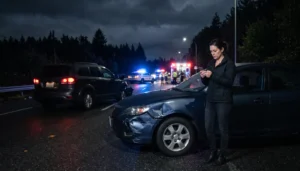
The actions taken immediately after a crash play a major role in how the claim develops. Evidence gathered at this stage often determines the strength of the entire case. Once the scene is cleared, disputes over fault and damages become significantly harder to resolve. This is why early decisions carry long-term legal weight. A car accident lawyer near me can help protect your rights and preserve important evidence.
Police Report and Legal Documentation
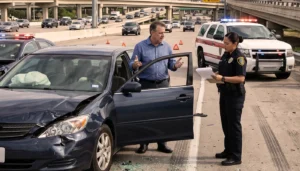
A police report provides an official record of the accident and helps establish baseline facts. It typically includes statements, observations, and initial fault assessments. In uninsured driver cases, this documentation becomes even more important because it replaces missing insurance investigation structures. Without it, the case relies heavily on personal testimony alone.
Evidence You Must Collect at the Scene
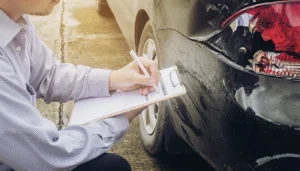
Photographs, videos, and witness details are critical forms of evidence after a crash. They help establish how the accident occurred and who may be responsible. Insurance companies rely heavily on this information when evaluating claims. Without it, they gain more room to challenge liability and reduce payouts. Strong documentation strengthens your negotiating position from the beginning.
Who Pays When the At-Fault Driver Has No Insurance?
When the responsible driver has no insurance, victims must rely on alternative sources of recovery. While the at-fault driver remains legally responsible, recovering compensation often depends on available insurance coverage or legal options. This can lead to additional delays and challenges that are not common in standard accident cases.
- Your Own Insurance Coverage (UM/UIM and PIP): Uninsured Motorist (UM), Underinsured Motorist (UIM), and Personal Injury Protection (PIP) coverage can help pay for medical expenses, lost wages, and other damages. However, insurers still review and evaluate these claims before approving payment.
- Lawsuits Against the Uninsured Driver: Victims can also file a personal injury lawsuit against the uninsured driver. Although a court judgment establishes liability, recovering compensation may still be difficult if the driver lacks the financial resources to pay.
Consequences of Driving Without Insurance
Texas enforces strict penalties for driving without insurance in order to promote road safety and financial responsibility. These penalties apply regardless of accident involvement. However, these consequences do not automatically compensate accident victims. They are designed to punish non-compliance, not resolve injury claims. A personal injury lawyer Houston residents rely on can explain how these penalties relate to your legal claim and compensation options.
Fines and Administrative Penalties
Uninsured drivers may face fines, fees, and administrative penalties for operating a vehicle without coverage. Repeat offenses can increase financial penalties significantly. These penalties are imposed by the state and are separate from civil liability. They do not directly impact compensation for accident victims.
License and Registration Suspension
Drivers without insurance may also face suspension of their license or vehicle registration. This is intended to enforce compliance with insurance laws. However, suspension does not resolve outstanding damages caused in an accident.
How Fault Is Determined in Accidents
Fault determination is central to every Texas car accident case, including those involving uninsured drivers. Liability is based on negligence, not insurance status. This means uninsured drivers can still be fully responsible under the law. However, proving fault remains a critical legal step.
Comparative Negligence Rule in Texas
Texas follows a modified comparative negligence system, meaning each party may share responsibility for an accident. Compensation is reduced based on the percentage of fault. If a victim is found more than 50% responsible, recovery is barred entirely. This rule makes evidence presentation extremely important.
Evidence Used to Prove Fault
Fault is determined using objective evidence such as police reports, witness statements, and physical crash evidence. In serious disputes, accident reconstruction may also be used. The goal is to establish a clear sequence of events leading to the crash. Strong evidence limits attempts to shift blame. This is often the deciding factor in uninsured driver cases.
How Insurance Companies Handle These Claims
Even when you file a claim through your own insurance policy, the insurance company will carefully evaluate it before offering compensation. Insurers review each claim based on liability, evidence, and potential financial exposure, which means settlement offers are not always based solely on the extent of your losses.
- What Insurance Companies Evaluate: Insurance adjusters review liability, medical records, injury documentation, and the overall value of the claim. They also assess whether parts of the claim can be disputed or reduced, which can affect the final settlement amount.
- Why Delays and Low Offers Happen: Delays often result from the insurer’s investigation and evaluation process. Initial settlement offers may also be lower than the claim’s value, as insurers may hope claimants will accept less rather than negotiate or pursue legal action.
Why Legal Representation Changes Everything
Uninsured driver claims are not simple administrative processes—they are contested financial disputes. Without legal pressure, insurance companies control the pace and outcome. With proper legal representation, the balance shifts significantly.
Cases become driven by evidence, valuation, and litigation readiness rather than delay tactics. When insurers recognize that a case is fully prepared for trial, negotiation behavior changes immediately. That shift is where stronger outcomes are achieved.
Start Your Uninsured Driver Claim Review Today
An accident involving an uninsured driver can make recovering compensation more challenging, but I know how to build a strong claim backed by evidence, strategy, and thorough preparation. From day one, I work to protect your rights and put you in the strongest position possible.
At Trial Ninjas, I prepare every case as if it’s going to trial because that’s what puts real pressure on insurance companies. I’m ready to fight for the full compensation you deserve.