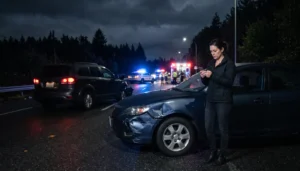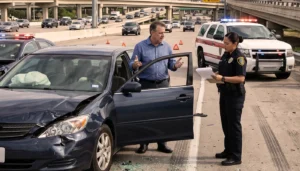
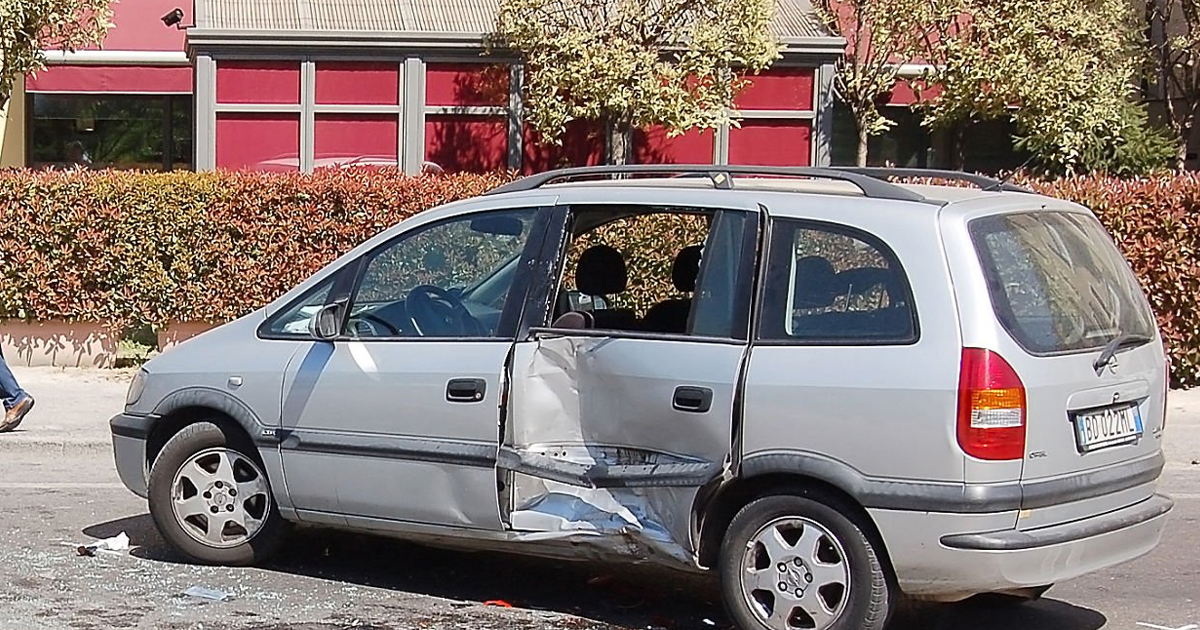

Broadside collisions, also called T-bone accidents or side-impact crashes, are among the most dangerous types of motor vehicle accidents on the road. Unlike rear-end collisions, where crumple zones absorb significant force, a broadside hit strikes the side of a vehicle where structural protection is minimal, leaving occupants extremely vulnerable to serious injury or death.
But where do broadside collisions most commonly occur? Understanding these high-risk locations is the first step toward prevention and can also be crucial when establishing liability after a crash. If you’ve been injured in a side-impact collision, a Houston car accident lawyer can help investigate the accident, determine fault, and pursue compensation for your injuries and losses.
What Is a Broadside Collision?
A broadside collision occurs when the front of one vehicle strikes the side of another vehicle at a perpendicular or near-perpendicular angle, forming a “T” shape at the point of impact. This is why they are commonly referred to as T-bone accidents.
These crashes can occur at moderate or high speeds, and the consequences are often catastrophic, particularly for the occupant on the side that absorbs the impact. Common injuries include traumatic brain injuries, broken ribs, internal bleeding, spinal cord damage, and in severe cases, fatalities.
Where Do Broadside Collisions Most Commonly Occur?
1. Intersections — The #1 Location for T-Bone Crashes
The single most common location for broadside collisions is at intersections. Studies by the National Highway Traffic Safety Administration (NHTSA) consistently show that the vast majority of T-bone accidents often cited at more than 40% of all intersection crashes take place where two or more roads cross.
Why are intersections so dangerous for broadside collisions?
- Drivers run red lights or stop signs
- Misjudging the speed or gap in oncoming traffic during left turns
- Distracted driving at controlled intersections
- Failure to yield the right of way
- Poor visibility due to structures, parked vehicles, or vegetation blocking sightlines
Highest-risk intersection types include:
- Four-way intersections with traffic signals: When a driver runs a red light, the result is often a direct broadside hit on a vehicle that legally entered the intersection.
- T-intersections: Where a minor road meets a major road, drivers pulling out or crossing often misjudge the speed of oncoming traffic.
- Uncontrolled intersections: Rural or suburban intersections without traffic signals or stop signs, where no clear right-of-way is established.
2. Left-Turn Scenarios
Left turns are disproportionately responsible for broadside collisions. When a driver turns left across oncoming traffic and misjudges the speed or distance of an approaching vehicle, a T-bone crash is the likely result.
This scenario is so common that it has prompted significant design changes in modern roadway engineering, including dedicated left-turn lanes, protected left-turn signals, and “no left turn” signs at particularly dangerous intersections. Delivery drivers, commercial truck drivers, and rideshare drivers are statistically more likely to be involved in left-turn broadside crashes due to time pressure and high daily mileage.
3. Parking Lot Entrances and Exits
Parking lots and their entry/exit driveways are frequent sites of broadside collisions. These accidents typically happen when:
- A vehicle exits a parking lot driveway without adequately checking for oncoming traffic
- A driver pulls out of a parking space directly into the path of a moving vehicle
- Blind spots created by large trucks, SUVs, or vans obscure the view of approaching cars
While speeds in parking lots are generally lower, the sudden lateral impact can still cause significant injury, especially to children, the elderly, or those seated on the side of the vehicle facing the impact.
4. Rural Highways and Country Roads
Broadside collisions on rural roads often have deadly consequences due to higher speeds and longer emergency response times. These crashes typically occur at:
- Unmarked rural intersections where stop signs may be missing, obscured, or ignored
- Farm access driveways where slow-moving agricultural vehicles pull onto fast-moving roads
- Railroad grade crossings where vehicles are struck broadside by trains a particularly lethal variant of a broadside collision
5. Highway On-Ramps and Merging Zones
Though less common, broadside collisions can occur at highway entrance and exit ramps when drivers merge incorrectly or misjudge the speed of highway traffic. These tend to involve a vehicle pulling from a stopped or slow position directly into a fast-moving lane, resulting in a side impact.
6. School Zones and Residential Streets
Low-speed broadside collisions frequently occur in school zones and residential neighborhoods where:
- Cross-traffic from side streets enters a main road
- Vehicles run through stop signs at neighborhood intersections
- Poor sight distances due to parked cars, hedges, or fences block the view of approaching drivers
7. Construction Zones
Traffic pattern changes in construction zones, including temporary intersections, detours, and lane shifts create confusion and unpredictable driving behavior. Drivers unfamiliar with temporary signage or who are distracted may fail to yield, leading to broadside crashes.
Key Contributing Factors to Broadside Collisions
While broadside collisions can occur in a variety of locations, they are often the result of preventable driver errors or hazardous road conditions. Understanding the most common contributing factors can help motorists recognize dangerous situations, make safer driving decisions, and reduce their risk of being involved in a serious side-impact crash. For victims seeking compensation after a side-impact collision, a T-bone accident lawyer can help identify the factors that contributed to the crash and build a strong claim against the at-fault party.
Some of the leading causes of T-bone accidents include:
- Running red lights and stop signs: One of the leading direct causes
- Distracted driving: Phone use, infotainment systems, and inattention
- Speeding: Reduces reaction time and increases crash severity
- Driving under the influence: Impairs judgment of speed and distance
- Poor weather conditions: Rain, fog, ice, and low visibility
- Failure to yield: Especially during left turns or pulling out from side roads
- Aggressive driving: Attempting to beat a yellow light or squeeze through a gap
Who Is Most at Risk in a Broadside Collision?
The occupants most at risk in a T-bone accident are those seated on the side of the vehicle that receives the impact. Modern vehicles include side airbags and reinforced door panels, but these offer significantly less protection than front or rear crumple zones. Individuals who suffer injuries in these crashes often search for a car accident attorney near me to understand their legal rights and pursue compensation for medical expenses, lost income, and other damages.
Children seated in rear side positions are particularly vulnerable, which is one reason safety experts recommend placing child safety seats in the center rear seat whenever possible.
Who Is at Fault for a Broadside Collision?
Determining fault in a broadside collision is one of the most critical and sometimes most contested aspects of the aftermath. Unlike rear-end accidents, where liability is often straightforward, T-bone crashes can involve competing accounts, unclear right-of-way, and multiple contributing factors. Here is a comprehensive breakdown of how fault is established and who typically bears responsibility.
How Fault Is Determined in a Broadside Collision
Fault in a T-bone accident is determined by identifying which driver violated traffic laws or acted negligently. Key evidence includes:
- Traffic signals and cameras — Show who had the right of way.
- Skid marks and vehicle damage — Help reconstruct how the crash occurred.
- Dashcam or surveillance footage — Provides visual evidence of the collision.
- Witness statements — Support or challenge driver accounts.
- Police reports — Document findings and possible citations.
- Vehicle black box data — Records speed, braking, and steering before impact.
What to Do After a Broadside Collision
If you are involved in a T-bone accident, taking the right steps immediately afterward can protect both your health and your legal claim. If another driver’s negligence caused the crash, a Houston personal injury lawyer can help preserve evidence, deal with insurance companies, and seek fair compensation on your behalf.
If you are involved in a T-bone accident, take these steps:
- Check for injuries and call 911 immediately
- Do not move injured persons unless there is immediate danger
- Move vehicles out of traffic if it is safe to do so
- Document the scene, photograph damage, skid marks, traffic signals, and road conditions
- Exchange information with the other driver
- Obtain witness contact details
- Seek medical attention immediately, even if you feel fine adrenaline can mask injury symptoms
- Contact a personal injury attorney if the crash was caused by another driver’s negligence
Legal Considerations: Liability in Broadside Collisions
Determining fault in a broadside collision often hinges on traffic signal data, witness accounts, dashcam footage, and accident reconstruction analysis. Common liable parties include:
- The driver who ran the red light or stop sign
- A driver who made an improper left turn
- A municipality if poor road design, missing signage, or faulty traffic signals contributed to the crash
- A vehicle manufacturer if a defective braking or steering system played a role
Take Action Before Critical Evidence Disappears
Broadside collisions most commonly occur at intersections, particularly where drivers run red lights, fail to yield during left turns, or misjudge gaps in traffic. Rural crossroads, parking lot exits, school zones, and construction areas also present elevated risks for serious side-impact crashes.
Awareness of where and why these accidents happen can help prevent future collisions, but if you have already been injured, acting quickly is essential. Evidence can disappear, witness memories can fade, and insurance companies may begin building their defense immediately after a crash. The experienced legal team at Trial Ninjas can help investigate the accident, protect your rights, and pursue the compensation you deserve. Drive defensively, approach every intersection with caution, and never assume another driver will follow the rules of the road.