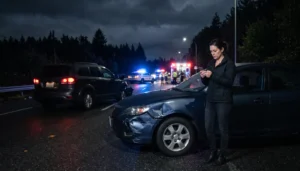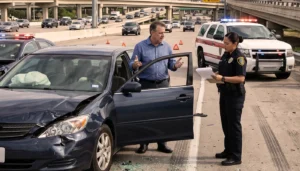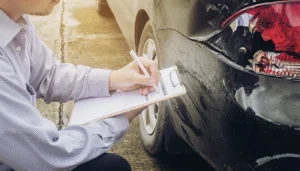
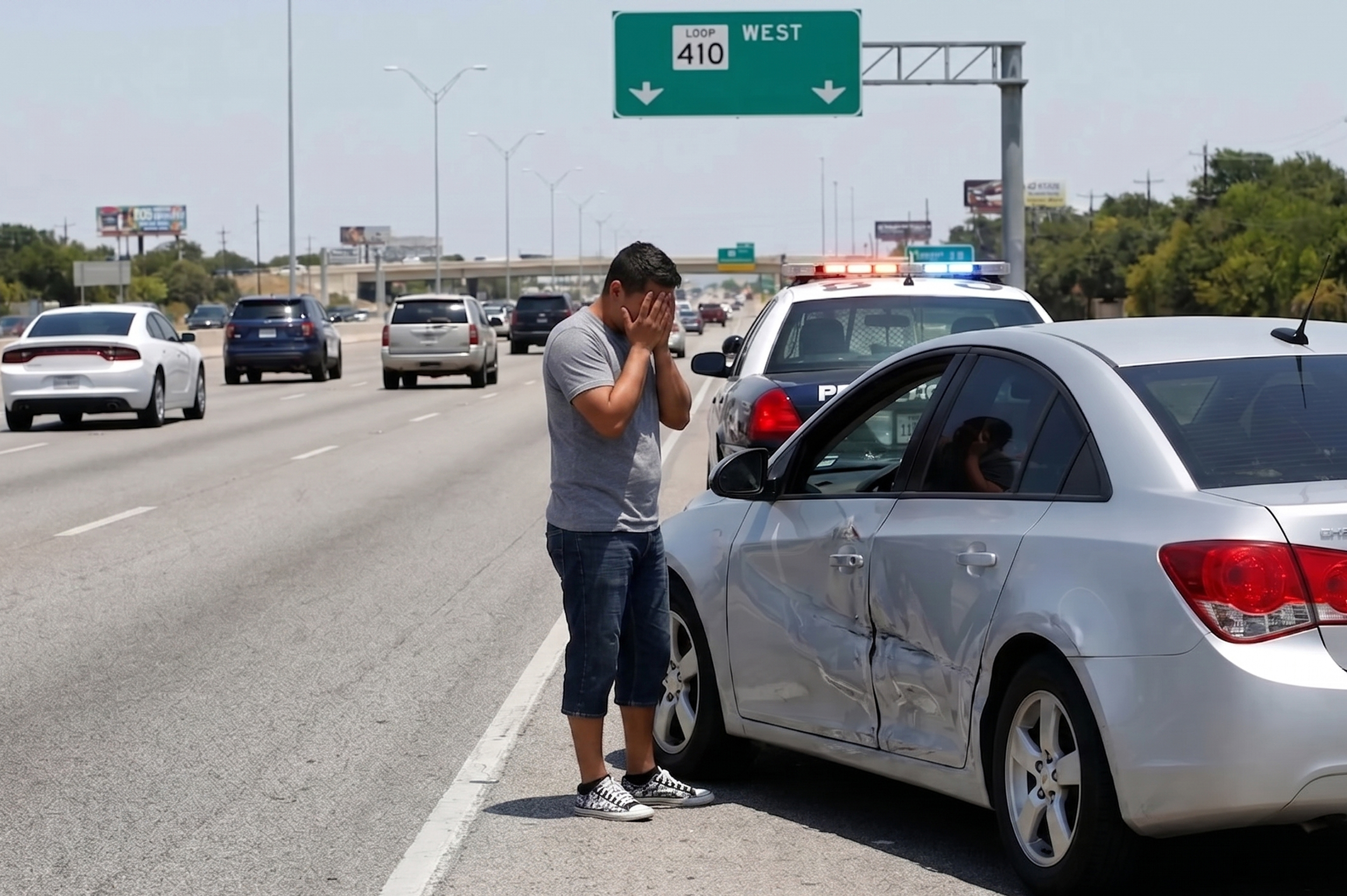

A hit-and-run accident can leave victims facing serious injuries, mounting medical bills, and unanswered questions. One of the most common questions people ask after these incidents is: Is a hit and run a felony in Texas? The answer depends on the circumstances of the crash. In Texas, leaving the scene of an accident can range from a misdemeanor offense to a serious felony carrying years of prison time.
The severity of the charge generally depends on whether the accident caused property damage, injury, serious bodily injury, or death. Under Texas law, drivers involved in a collision have a legal duty to stop, provide information, and render aid when necessary. Failing to do so can result in severe criminal penalties. If you have been involved in a collision where the other driver fled the scene, speaking with a car accident lawyer Houston can help you understand your legal options and protect your right to compensation.
What Is Considered a Hit and Run in Texas?
A hit and run occurs when a driver involved in a collision leaves the scene without fulfilling the legal obligations required by Texas law. These obligations typically include:
- Stopping at or near the accident scene
- Providing contact and insurance information
- Assisting injured persons when necessary
- Remaining at the scene until legal requirements are met
Yes, a Hit and Run Can Be a Felony in Texas
Many drivers are surprised to learn that leaving the scene of an accident can result in felony charges under Texas law. The severity of the offense depends largely on the extent of the injuries or damage caused by the crash. In situations involving injuries or fatalities, victims and their families often search for a car accident lawyer near me to understand their legal rights and pursue compensation while criminal proceedings are underway.
Hit and Run Involving Injury
If a driver leaves the scene of an accident that causes injury to another person, they may face felony charges. Texas law imposes strict duties on drivers involved in crashes, including stopping, exchanging information, and providing reasonable assistance to injured individuals. Failing to fulfill these obligations can result in serious criminal penalties, including imprisonment, substantial fines, and a permanent criminal record.
Hit and Run Involving Serious Bodily Injury
When a collision causes serious bodily injury, leaving the scene is generally treated as a much more serious offense. Serious bodily injury may include conditions that create a substantial risk of death, cause permanent disfigurement, or result in long-term loss or impairment of a bodily function. Because these injuries often require extensive medical treatment and rehabilitation, the legal consequences for fleeing the scene become significantly more severe.
Hit and Run Resulting in Death
The most serious hit-and-run cases involve fatalities. If a person dies as a result of the accident and the driver leaves the scene without stopping to provide aid or notify authorities, the offense can be charged as a second-degree felony. A conviction may result in lengthy prison sentences, substantial financial penalties, and other long-term consequences that can impact nearly every aspect of a person’s life.
When Is a Hit and Run a Misdemeanor?
While many people associate hit-and-run accidents with felony charges, not every case rises to that level. In Texas, the severity of the offense depends largely on the extent of the damage caused by the accident. When a crash results only in property damage and no one is injured, the driver may face misdemeanor charges rather than a felony. However, even misdemeanor hit-and-run offenses can carry serious legal consequences, including fines, a criminal record, and potential jail time.
Property Damage Under Certain Thresholds
Minor property-damage-only accidents may result in a Class C misdemeanor.
Significant Property Damage
More substantial property damage can elevate the offense to a Class B misdemeanor, potentially carrying jail time and fines.
Texas Drivers Have a Legal Duty to Stop
Texas Transportation Code § 550.021 requires drivers involved in accidents resulting in injury or death to:
- Stop immediately or as close to the scene as possible
- Determine whether anyone has been injured
- Provide required information
- Render reasonable assistance
- Remain at the scene until legal obligations are satisfied
Common Reasons Drivers Leave the Scene
Regardless of the reason, fleeing the scene generally creates additional legal problems that can be more serious than the original accident itself. Although leaving the scene is illegal, drivers may flee because they:
- Were driving under the influence
- Do not have valid insurance
- Have outstanding warrants
- Fear of criminal prosecution
- Panic after the collision
- Were driving without a valid license
What Should You Do After a Hit-and-Run Accident?
Being involved in a hit-and-run accident can be overwhelming and stressful. Victims are often left dealing with injuries, vehicle damage, and uncertainty about whether the at-fault driver will ever be identified. Taking the right steps immediately after the crash can protect your health, preserve valuable evidence, and strengthen any future insurance or legal claim. Many victims choose to consult a personal injury lawyer Houston after a hit-and-run accident to better understand their rights and options for pursuing compensation.
1. Call 911 Immediately
Your first priority should always be safety. Contact law enforcement as soon as possible and report the accident. If anyone has been injured, request emergency medical assistance immediately. A police report will also create an official record of the incident, which can be valuable during insurance claims and legal proceedings.
2. Seek Medical Attention
Even if you believe your injuries are minor, it is important to seek medical evaluation promptly. Adrenaline and shock can temporarily mask symptoms of serious injuries such as concussions, internal bleeding, or soft-tissue damage. Prompt medical treatment not only protects your health but also documents the connection between the accident and your injuries.
3. Document the Scene
Evidence can disappear quickly after a hit-and-run accident. If it is safe to do so, take photographs and videos of anything that may help identify the fleeing driver or establish what happened. Important evidence includes:
- Vehicle damage
- Debris left behind
- Skid marks
- Road and weather conditions
- Traffic signs and signals
- Nearby surveillance or security cameras
The more documentation you gather, the stronger your claim may be.
4. Gather Witness Information
Witnesses can provide critical information that may help identify the driver who left the scene. Ask for names, phone numbers, and email addresses from anyone who saw the accident. Witnesses may have noticed details such as the vehicle’s make, model, color, license plate number, or direction of travel.
5. Notify Your Insurance Company
Report the accident to your insurance company as soon as possible. Many insurance policies require prompt notification, and delaying your report could affect coverage. If the at-fault driver is not located, your uninsured motorist coverage may help cover certain losses. Providing timely and accurate information can help streamline the claims process and protect your rights.
Can a Victim Still Recover Compensation?
Yes. Even if the at-fault driver initially flees, victims may still be able to recover compensation through:
- The at-fault driver’s insurance policy
- Uninsured motorist coverage
- Underinsured motorist coverage
- Personal injury lawsuits
Potential compensation may include:
- Medical expenses
- Lost wages
- Future medical treatment
- Pain and suffering
- Property damage
- Loss of earning capacity
How Long Do You Have to File a Claim?
Texas generally applies a two-year statute of limitations to personal injury claims arising from motor vehicle accidents. Missing important deadlines can jeopardize your ability to recover compensation. Because evidence in hit-and-run cases can disappear quickly, taking action as soon as possible is critical.
Know Your Rights After a Texas Hit-and-Run Accident
So, is a hit and run a felony in Texas? The answer is often yes when the accident causes injury, serious bodily injury, or death. While property-damage-only incidents may be charged as misdemeanors, leaving the scene of any accident can carry serious legal consequences. Texas law requires drivers to stop, provide information, and assist injured individuals when necessary. If you or a loved one has been injured in a Texas hit-and-run accident, speaking with Trial Ninjas can help you understand your legal options and take immediate steps to protect your claim.
If you or a loved one has been injured in a Texas hit-and-run accident, acting quickly can help preserve evidence, identify the responsible driver, and protect your right to compensation. Early legal guidance can make a significant difference in the outcome of your case.