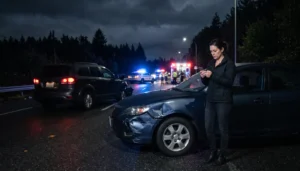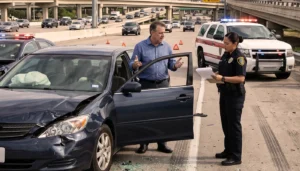
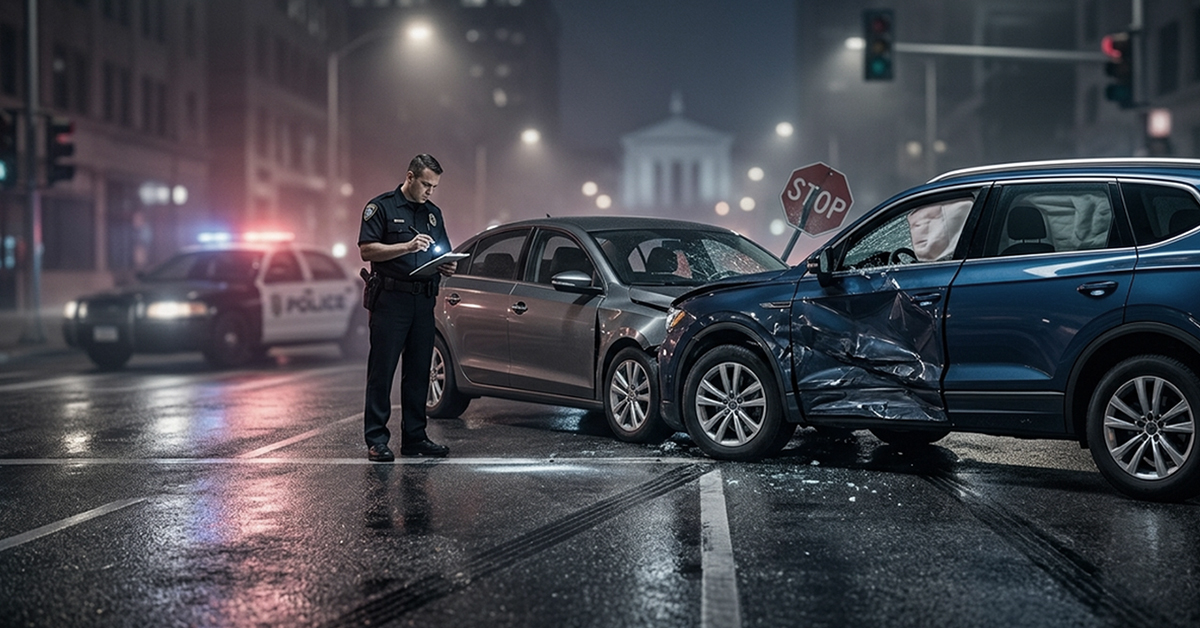

Hit and run accidents are taken very seriously under Texas law. When a driver causes or is involved in a crash and leaves the scene without stopping, it is not just a traffic violation—it can quickly escalate into a criminal offense with severe penalties. Texas has clear legal duties for drivers involved in accidents, and failing to follow them can result in misdemeanor or felony charges depending on the circumstances.
Understanding how hit and run laws work in Texas is important whether you are a driver, a victim, or someone dealing with insurance and injury claims after a crash. If you have been affected by a hit-and-run accident, a Houston car accident lawyer can help explain your legal rights, investigate the incident, and pursue compensation for the damages and injuries you have suffered.
What Is a Hit and Run Under Texas Law?
Under Texas law, a hit and run occurs when a driver involved in a motor vehicle accident leaves the scene without fulfilling the legal duties required by the state. These responsibilities include stopping immediately at or near the accident scene, providing their name, address, and insurance information to the other parties involved, showing a driver’s license upon request, checking whether anyone has been injured, and arranging or calling for medical assistance when necessary. Drivers are also required to remain at the scene until all legal obligations have been satisfied. Failing to meet any of these requirements can result in criminal charges, regardless of who was responsible for causing the accident.
Texas Hit and Run Laws
Hit and run laws in Texas are primarily governed by the Texas Transportation Code, which requires drivers involved in accidents to stop, remain at the scene, and provide certain information to other parties involved. These laws are designed to ensure that injured individuals receive assistance, property damage is properly documented, and law enforcement can accurately investigate the circumstances surrounding a crash. Drivers who fail to comply with these legal requirements may face criminal charges ranging from misdemeanors to felonies, depending on the severity of the accident and the harm caused.
The law applies to virtually every type of motor vehicle accident, including vehicle-to-vehicle collisions, accidents involving pedestrians or cyclists, crashes that result in property damage, and incidents involving parked vehicles. Even if a driver believes the accident is minor, they are still legally required to stop and take the appropriate steps. Many victims search for a car accident attorney near me after a hit-and-run crash to better understand their rights and explore options for recovering compensation.
Texas hit-and-run laws commonly apply to:
- Vehicle vs. vehicle collisions
- Vehicle vs. pedestrian accidents
- Vehicle vs. bicycle accidents
- Vehicle vs. property damage incidents
- Accidents involving parked cars
- Crashes involving unattended vehicles or structures
Is a Hit and Run a Crime in Texas?
Yes. A hit and run is a criminal offense in Texas, and the penalties can be severe depending on the circumstances of the accident. Texas law requires drivers involved in a collision to stop, provide identifying information, and render aid when necessary. When a driver leaves the scene without fulfilling these obligations, they may face criminal prosecution in addition to potential civil liability for the damages they caused. The severity of the charge generally depends on whether the accident resulted in property damage, injuries, or fatalities.
1. Property Damage Only
When a hit-and-run accident involves only property damage and no one is injured, the offense is generally treated as a misdemeanor. This can include collisions with another vehicle, a parked car, a fence, a mailbox, or other property. Even if the damage appears minor, drivers are still legally required to stop and exchange information or make a reasonable effort to locate the property owner. Leaving the scene without doing so can result in criminal charges, fines, and other legal consequences.
2. Injury Accident
If a hit-and-run accident causes injuries to another person, the consequences become much more serious. Texas law requires drivers to stop, check on injured individuals, and provide reasonable assistance, including contacting emergency medical services when necessary. A driver who leaves the scene of an injury accident may face felony charges, significant fines, and possible imprisonment. The law treats these cases harshly because a delayed medical response can worsen a victim’s injuries and potentially place lives at risk.
3. Serious Bodily Injury or Death
The most severe hit-and-run offenses involve accidents that cause serious bodily injury or death. Serious bodily injury generally refers to injuries that create a substantial risk of death, cause permanent disfigurement, or result in long-term impairment of a bodily function. When a driver flees the scene after causing such harm, the offense is typically charged as a felony and can carry lengthy prison sentences, substantial fines, and a permanent criminal record. In fatal accidents, leaving the scene can lead to some of the harshest penalties available under Texas hit-and-run laws, reflecting the state’s strong interest in protecting public safety and ensuring accountability.
When Is a Hit and Run a Felony in Texas?
A hit and run becomes a felony when the crash involves:
- Physical injury to another person
- Serious bodily injury (life-threatening or permanently disabling injuries)
- Death of another person
Felony Levels May Include:
- Third-degree felony: Serious bodily injury cases
- Second-degree felony: Cases involving death
What Are the Penalties for Hit and Run in Texas?
Misdemeanor Penalties (Property Damage)
- Fines
- Possible jail time
- Criminal record
Felony Penalties (Injury or Death)
- 2 to 20 years in prison (depending on felony level)
- Significant fines
- Long-term license suspension
- Permanent criminal record
What to Do If You Are a Victim of a Hit and Run in Texas
A hit-and-run accident can be a frightening and chaotic experience, especially when the at-fault driver leaves the scene before you have a chance to obtain their information. Knowing what steps to take immediately after the crash can help protect your health, strengthen your insurance claim, and improve the chances of identifying the responsible driver. Taking prompt action can also preserve valuable evidence that may be critical if you later pursue compensation for your injuries and losses.
1. Call 911 Immediately
Your safety should be the top priority. Contact law enforcement as soon as possible to report the accident and request emergency medical assistance if anyone is injured. A responding officer will investigate the scene, gather preliminary information, and create an official police report that can serve as important evidence during the claims process.
2. Get Medical Help
Even if you feel relatively unharmed, it is important to seek medical attention as soon as possible. Some injuries, including concussions, internal bleeding, whiplash, and soft-tissue injuries, may not show symptoms immediately. A medical evaluation not only protects your health but also creates documentation linking your injuries to the accident.
3. Collect Evidence
If it is safe to do so, gather as much information as possible before leaving the scene. Evidence collected immediately after the crash can play a crucial role in identifying the fleeing driver and supporting your claim. Try to document:
- Vehicle damage
- License plate details, even partial numbers
- Photos and videos of the accident scene
- Nearby surveillance or traffic cameras
- Road and weather conditions
- Debris left behind by the other vehicle
- Traffic signs and signals near the collision
The more information you collect, the better your chances of building a strong case.
4. Talk to Witnesses
Witnesses can provide valuable information that may help law enforcement locate the hit-and-run driver. If anyone saw the collision, ask for their name, phone number, and a brief description of what they observed. Witnesses may have noticed details such as the vehicle’s make, model, color, direction of travel, or even a partial license plate number.
5. Report the Accident to Your Insurance Company
Notify your insurance company as soon as possible after the accident. Many insurance policies require prompt reporting, and delays could complicate the claims process. If the at-fault driver cannot be identified, your uninsured motorist coverage, personal injury protection (PIP), or other available coverages may help pay for medical expenses, lost wages, and vehicle repairs. Providing accurate information and supporting documentation can help ensure your claim is processed efficiently.
Can You Still Get Compensation After a Hit and Run?
Yes. Even if the at-fault driver is not immediately identified or arrested, victims of hit-and-run accidents may still have options for recovering financial compensation. Many people assume that a claim ends if the driver cannot be found, but that is not always the case. Depending on the circumstances and the insurance coverage available, injured victims may be able to pursue compensation through several sources. Consulting a Houston personal injury lawyer can help you understand which recovery options may be available and ensure that important deadlines and legal requirements are met.
Potential sources of compensation include:
- Uninsured motorist coverage
- Personal injury protection (PIP)
- Medical payments coverage
- Civil lawsuits if the driver is identified later
Compensation may include:
- Medical expenses
- Lost wages
- Pain and suffering
- Vehicle repair costs
- Long-term rehabilitation
How Long Do You Have to File a Claim in Texas?
Texas law generally gives accident victims two years from the date of the crash to file a personal injury lawsuit. This deadline, known as the statute of limitations, applies to most motor vehicle accident claims, including hit-and-run cases. Victims can review the applicable laws through the Texas Civil Practice and Remedies Code published by the Texas Legislature. Failing to file within the required timeframe may result in losing your right to pursue compensation through the courts.
Although two years may seem like a long time, waiting can significantly impact your case. Surveillance footage may be deleted, witnesses may become difficult to locate, and important evidence can disappear. Taking action early helps preserve evidence, strengthens your claim, and improves the likelihood of identifying the responsible driver and recovering compensation.
Civil Liability in Hit and Run Cases
A hit-and-run driver may face criminal penalties from the state, but that is only one part of the legal consequences. In addition to criminal charges, the driver can also be held financially responsible through a civil claim or lawsuit. Civil liability focuses on compensating the victim for the losses caused by the accident rather than punishing the offender.
Depending on the circumstances of the crash, a hit-and-run driver may be responsible for damages such as:
- Medical bills and hospital expenses
- Property damage and vehicle repair costs
- Lost income and missed work opportunities
- Pain and suffering
- Emotional distress
- Long-term disability or impairment
- Future medical treatment and rehabilitation costs
- Loss of earning capacity
Victims may pursue compensation through an insurance claim, uninsured motorist coverage, or a personal injury lawsuit if the at-fault driver is eventually identified. Even if criminal charges are never filed or do not result in a conviction, a victim may still have the right to seek financial recovery through the civil justice system. Because every case is unique, understanding the available legal options is an important step toward obtaining full and fair compensation after a hit-and-run accident.
Take Action Before Critical Evidence Is Lost
Texas hit-and-run laws are strict because they are designed to hold drivers accountable and protect victims after a crash. Leaving the scene of an accident can transform what might have been a routine traffic incident into a serious criminal matter, particularly when injuries, serious bodily harm, or fatalities are involved. Understanding these laws can help both drivers and victims navigate the legal consequences that follow a hit-and-run collision.
If you or a loved one has been affected by a hit-and-run accident, time is not on your side. Surveillance footage may be erased, physical evidence can disappear, and witness memories often fade quickly. Taking prompt action can improve the chances of identifying the responsible driver and preserving your right to compensation. The experienced legal team at Trial Ninjas can help investigate the accident, protect your interests, and guide you through the process of pursuing the financial recovery you may be entitled to. The sooner you act, the stronger your position may be.