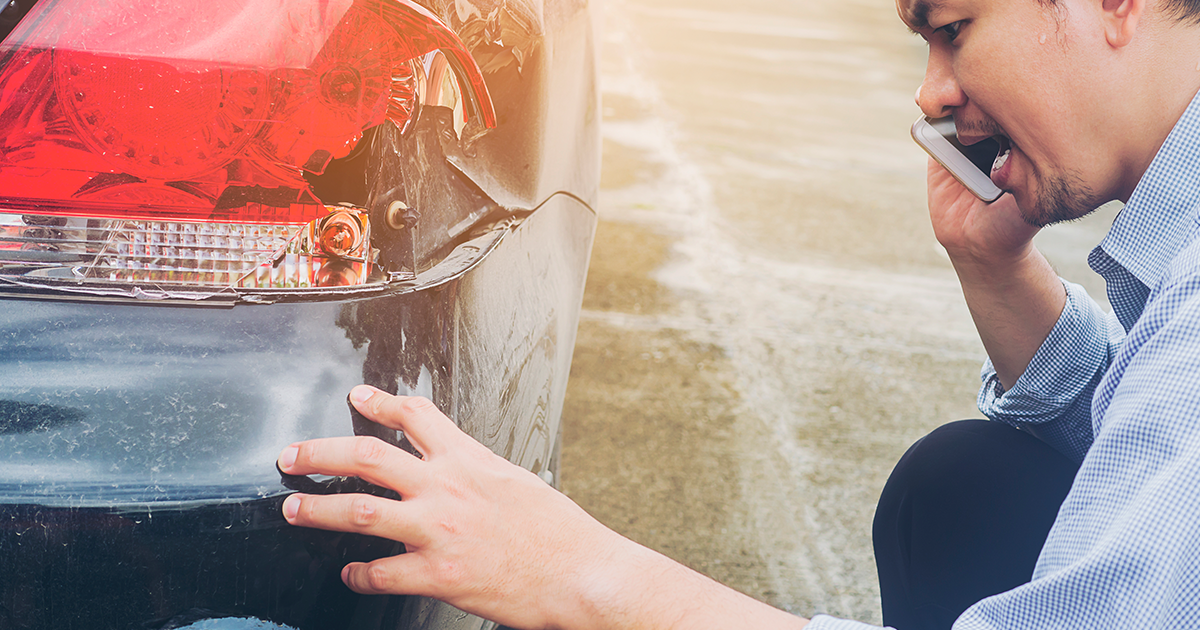

A fender bender is a minor low-speed collision that typically results in small dents, scratches, or paint transfer between vehicles. Common examples include backing into another car in a parking lot, bumping a vehicle in stop-and-go traffic, or a slow-speed rear-end collision at a red light. While the damage may look minimal at first glance, Texas law still treats these as reportable accidents with real legal responsibilities for every driver involved.
What many people do not realize is that fender benders can cause hidden injuries like whiplash, concussions, and soft tissue damage that do not show up until hours or even days after the crash. Dismissing a fender bender as insignificant and skipping the proper steps can seriously hurt your ability to file an insurance claim or pursue compensation if injuries develop later on. If you begin experiencing delayed pain or face pushback from an insurance adjuster, consulting a Houston car accident lawyer can help protect your legal rights and ensure you receive the compensation you need to recover.
What Are the Common Causes of Fender Benders in Texas?
Fender benders happen daily across Texas, usually due to inattentive driving. If another driver’s negligence causes property damage or injuries, consulting a car accident attorney near me can help you hold them accountable and navigate the claims process.
- Distracted driving, including texting, adjusting the GPS, or looking away from the road, even briefly
- Tailgating or following too closely in heavy traffic, where sudden stops are frequent
- Misjudging distance while parking or reversing in tight spaces like parking garages or shopping centers
- Running a red light or rolling through a stop sign at low speed without fully stopping
- Sudden braking on wet or slippery roads that gives trailing drivers no time to react safely
Does Texas Law Require You to Report a Fender Bender?
Many drivers assume a minor fender bender does not need to be reported, but Texas law is clear about when reporting is required. Under Texas Transportation Code Section 550.062, law enforcement must submit a written crash report to TxDOT when an accident results in injury, death, or property damage of $1,000 or more. Even if damage appears minor, the $1,000 threshold is easier to reach than most people expect, given today’s repair costs.
Here is what you are legally required to do after a fender bender in Texas:
- Stop your vehicle immediately at or near the scene of the accident
- Check if anyone is injured and call 911 if there are any injuries or significant damage
- Exchange your name, contact information, insurance details, and vehicle registration with the other driver
- Notify law enforcement if the damage meets or is likely to meet the $1,000 reporting threshold
- Document the scene with photos before any vehicles are moved if it is safe to do so
Who Is at Fault in a Texas Fender Bender?
Texas follows a fault-based system, meaning the driver who caused the accident is responsible for covering the resulting damages. In rear-end fender benders, the trailing driver is most often found at fault for failing to maintain a safe following distance. However, fault is not always straightforward and can sometimes be shared between both drivers depending on the specific circumstances of the crash.
Under Texas Civil Practice and Remedies Code Section 33.001, Texas uses a modified comparative fault rule where your compensation is reduced by your percentage of fault. If you are found more than 50 percent responsible for the accident, you cannot recover compensation at all. This is why documenting the scene and gathering evidence immediately after a fender bender is so important, even when the damage seems minor.
What Should You Do After a Fender Bender in Texas?
The steps you take immediately after a fender bender directly affect your ability to file a successful insurance claim or work with a Houston personal injury lawyer to pursue compensation if injuries appear later. Here is exactly what you should do:
- Stay at the scene: Never leave before exchanging information and documenting the accident properly
- Call the police: A police report creates an official record that is invaluable for insurance claims and any future legal action
- Document everything: Take clear photos of all vehicle damage, license plates, road conditions, and the surrounding area
- Seek medical attention: Even if you feel fine, get evaluated by a doctor as soon as possible, since many fender bender injuries are not immediately apparent
- Notify your insurance company: Report the accident promptly and provide accurate information without admitting fault to anyone at the scene
- Consult an attorney: If you experience any pain or the other driver disputes fault, speaking with a car accident lawyer before accepting any settlement is always the smarter move
Can a Fender Bender Cause Serious Injuries?
The short answer is yes, and this is something insurance companies consistently try to minimize. Even at low speeds, the force of a collision can snap the neck forward and backward suddenly, causing whiplash injuries that result in chronic pain, headaches, and limited mobility that can last for months or years. Other injuries commonly associated with fender benders include:
- Whiplash and soft tissue injuries to the neck, shoulders, and upper back
- Concussions and mild traumatic brain injuries from the sudden jolt of impact
- Lower back strain and herniated discs that worsen over time without treatment
- Chest injuries from the seatbelt restraint during the sudden deceleration
- Wrist and hand injuries from gripping the steering wheel tightly at the moment of impact
Accepting a quick settlement before the full extent of your injuries is known is one of the most common and costly mistakes fender bender victims make. Learning what to do after a car accident can help you protect your claim from the very beginning, before insurance adjusters have a chance to minimize your injuries.
What Damages Can You Recover After a Fender Bender?
Just because an accident is called minor does not mean your damages are minor. Texas law allows injured fender bender victims to pursue full compensation for every loss caused by the crash, including:
- Medical expenses covering emergency care, doctor visits, physical therapy, and any ongoing treatment
- Lost wages for any time missed from work while recovering from fender bender-related injuries
- Property damage to repair or replace your vehicle and any personal property damaged in the crash
- Pain and suffering for the physical discomfort and emotional distress caused by the accident and its aftermath
- Future medical costs if your injuries require ongoing care or treatment beyond your initial recovery period
Involved in a Fender Bender in Texas? Contact Trial Ninjas
A fender bender may seem minor in the moment, but the consequences can be far more serious than they initially appear. From hidden injuries to disputed fault and aggressive insurance tactics, having an experienced attorney protecting your rights from the start makes a genuine difference in what you recover. At Trial Ninjas, Gia Samavati and the team have helped countless Houston drivers navigate fender bender claims and fight back against insurance companies that try to minimize legitimate injuries. Contact us today for a free case evaluation with no fee unless we win.